
Services
Endoscopic Retrograde Cholangiopancreatography (ERCP) is one of the most advanced and specialized procedures offered at Your GI Center. This sophisticated technique combines endoscopy with fluoroscopy (real-time X-ray imaging) to diagnose and treat conditions affecting the bile ducts, pancreatic duct, and related structures. Our board-certified gastroenterologists perform ERCP procedures at our Houston, Bay City, and Lake Jackson locations, providing patients throughout Southeast Texas access to this highly specialized service.
ERCP requires extensive training and expertise to perform safely and effectively. Dr. Nizam Meah and Dr. Siddiqui have completed advanced fellowship training in gastroenterology and have extensive experience performing ERCP procedures. This specialized training, combined with our state-of-the-art equipment and dedicated endoscopy teams, ensures that patients receive the highest quality care for complex biliary and pancreatic conditions.
Info
ERCP is a minimally invasive procedure that allows gastroenterologists to examine and treat the bile ducts and pancreatic duct through an endoscope inserted through the mouth. The procedure involves passing a specialized endoscope through the mouth, down the esophagus, through the stomach, and into the duodenum (the first part of the small intestine). Once the endoscope is positioned at the major duodenal papilla (the opening where the bile duct and pancreatic duct drain into the intestine), contrast dye is injected into these ducts to visualize their anatomy and identify any abnormalities.
The unique advantage of ERCP is its ability to provide both diagnostic imaging and therapeutic intervention during the same procedure. Using specialized instruments passed through the endoscope, gastroenterologists can remove stones, place stents to relieve blockages, obtain tissue samples, and perform other therapeutic interventions to treat biliary and pancreatic disorders.
Bile duct stones are one of the most common indications for ERCP. These stones can cause severe pain, jaundice, and serious complications such as cholangitis (infection of the bile ducts) or pancreatitis. ERCP allows for the removal of bile duct stones using specialized instruments, often avoiding the need for surgery. The procedure involves making a small cut in the sphincter of Oddi (sphincterotomy) and then using baskets or balloons to extract the stones.
Narrowing of the bile ducts (strictures) can occur due to various causes, including inflammation, scarring, tumors, or previous surgery. ERCP can diagnose the location and severity of biliary strictures and provide therapeutic interventions such as balloon dilation or stent placement to relieve the obstruction and restore normal bile flow.
When patients experience difficulty swallowing, upper endoscopy can identify the underlying cause, such as esophageal strictures, rings, webs, or tumors. Therapeutic dilation can often be performed during the same procedure to improve swallowing function.
The sphincter of Oddi is a muscular valve that controls the flow of bile and pancreatic juice into the duodenum. When this sphincter malfunctions, it can cause severe abdominal pain and other symptoms. ERCP can diagnose sphincter of Oddi dysfunction through pressure measurements (manometry) and treat it through sphincterotomy.
ERCP plays an important role in the diagnosis and management of biliary and pancreatic cancers. The procedure can be used to obtain tissue samples (biopsies) for definitive diagnosis and to place stents to relieve biliary obstruction caused by tumors, improving symptoms and quality of life.
ERCP requires careful preparation to ensure patient safety and procedural success. Patients must fast for at least eight hours before the procedure. Blood tests, including coagulation studies, are typically performed to assess bleeding risk. Antibiotics may be prescribed before the procedure to prevent infection in certain high-risk situations. Our
medical team will review your medical history, medications, and allergies to ensure the safest possible procedure.
ERCP is performed under conscious sedation or general anesthesia, depending on the complexity of the case and patient factors. The procedure typically takes one to two hours, depending on the specific interventions required. Patients are positioned lying on their stomach or side to optimize access to the duodenal papilla.
The gastroenterologist carefully guides the specialized ERCP endoscope through the mouth and into the duodenum. Once the papilla is identified, a small catheter is inserted into the bile duct or pancreatic duct, and contrast dye is injected while X-ray images are taken. This provides detailed visualization of the duct anatomy and identifies any abnormalities requiring treatment.
When therapeutic intervention is needed, specialized instruments are used to perform the necessary procedures. Sphincterotomy involves making a small cut in the sphincter muscle to facilitate stone removal or improve drainage. Stone extraction is accomplished using baskets, balloons, or mechanical lithotripsy devices. Stent placement involves inserting small plastic or metal tubes to maintain duct patency and relieve obstructions.

Dr. Meah completed his gastroenterology fellowship training at Wayne State University School of Medicine, where he gained extensive experience in advanced endoscopic procedures including ERCP. His research interests include colorectal cancers, and he has published his findings in medical journals. Dr. Meah’s meticulous technique and attention to detail ensure optimal outcomes for complex ERCP procedures.

Dr. Siddiqui served as Chief Fellow during his gastroenterology fellowship at Albert Einstein College of Medicine, demonstrating exceptional clinical skills and leadership. His research interests include gastrointestinal bleeding and uncommon tumors, providing valuable expertise for complex diagnostic and therapeutic ERCP cases.
12951 South Freeway Houston
TX 77047
(713) 436 8171
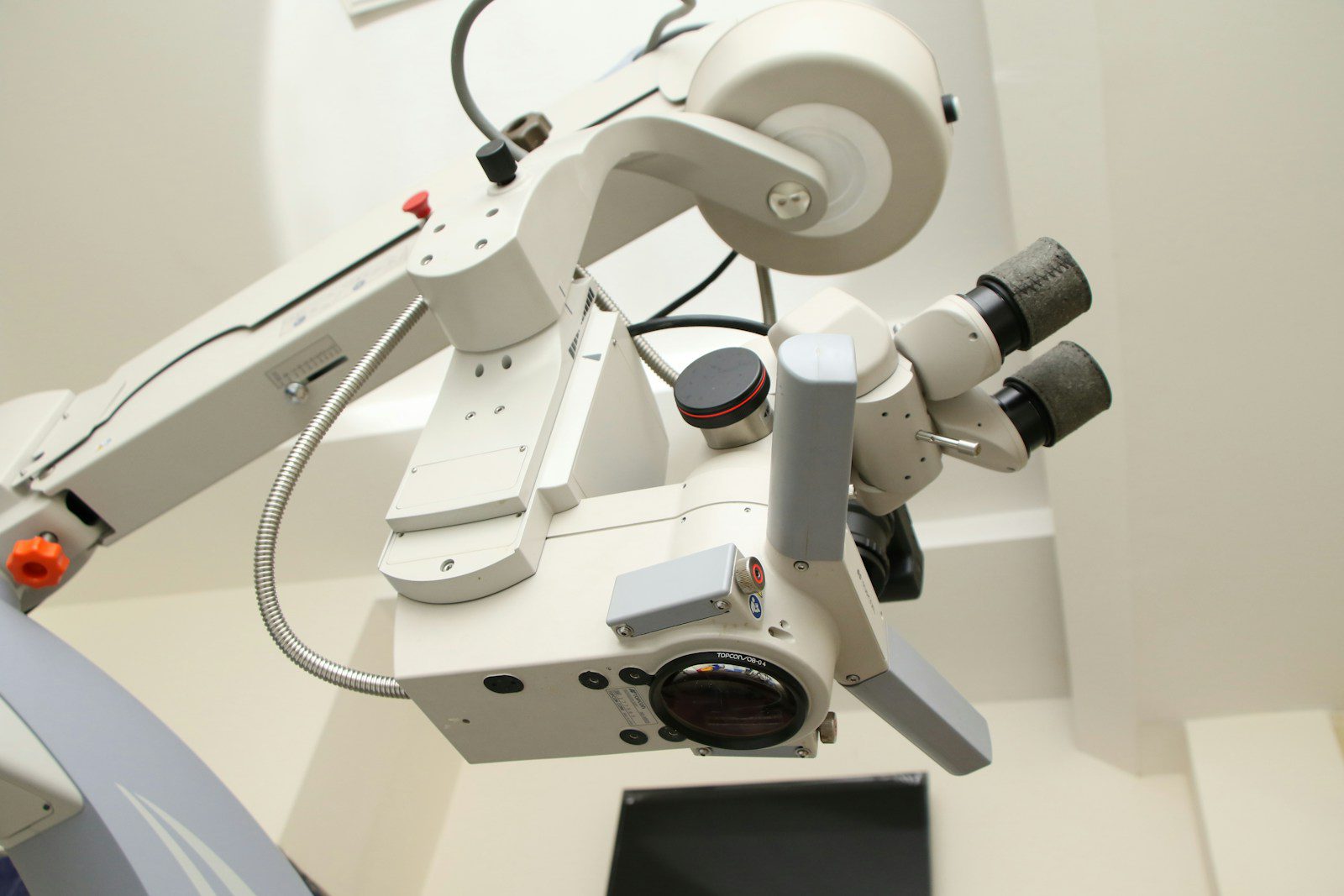
State-of-the-art fluoroscopy equipment advance procedure for ERCP
720 Avenue F North Bay City
TX 77414
(979) 292-0033
Consultation and follow-up care for ERCP patients in matagorda country
109 Parking Way
Lake Jackson, TX 77566
(979) 292-0033
Full ERCP capabilities serving the Brazosport area.

After ERCP, patients are monitored in our recovery area for several hours to ensure there are no immediate complications. Most patients can go home the same day, although some may require overnight observation depending on the complexity of the procedure and individual patient factors. Recovery time varies, but most patients can resume normal activities within 24 to 48 hours.
Post-procedure instructions include dietary recommendations, activity restrictions, and signs and symptoms to watch for that might indicate complications. Our medical team provides comprehensive follow-up care, including review of pathology results if biopsies were obtained, assessment of clinical improvement, and planning for any additional treatments that may be necessary.

We are available 24/7. Call Now for Immediate Assistance!
For complex biliary and pancreatic conditions requiring advanced endoscopic intervention, trust the expertise of Your GI Center.
Call 1-888-292-0010 to schedule your consultation with our ERCP specialists.