
Conditions
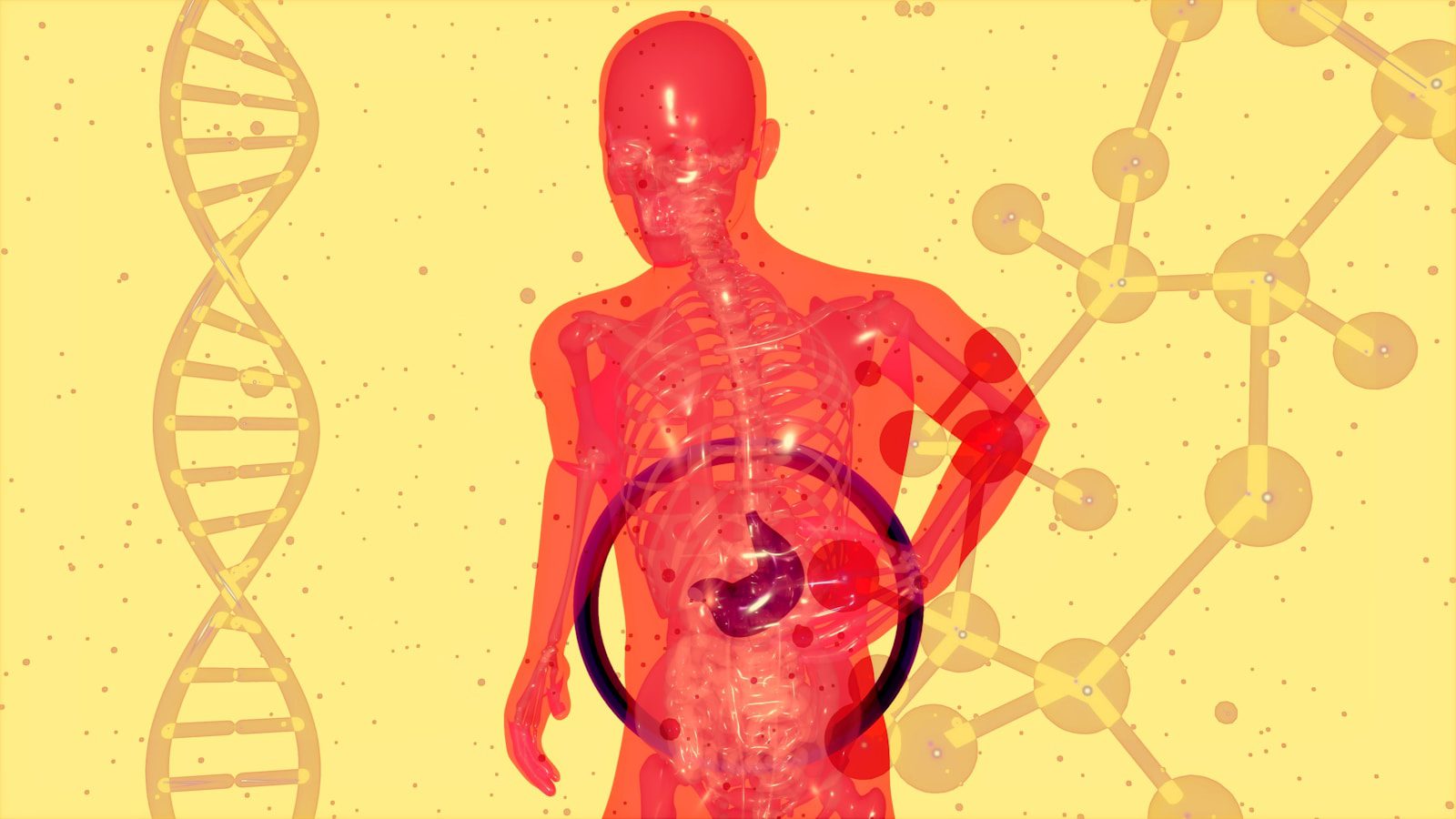
Inflammatory bowel disease (IBD) encompasses chronic inflammatory conditions of the gastrointestinal tract, primarily Crohn’s disease and ulcerative colitis. These complex autoimmune disorders require specialized, long-term management to control inflammation, prevent complications, and maintain quality of life. At Your GI Center, our board-certified gastroenterologists provide comprehensive, evidence-based care for IBD patients at three convenient Southeast Texas locations in Houston, Bay City, and Lake Jackson. With over 25 years of experience managing complex digestive diseases, we offer the expertise and personalized attention that IBD patients need to thrive.
IBD affects approximately 3 million adults in the United States, with incidence increasing globally. While IBD can develop at any age, it most commonly begins in young adulthood, between ages 15 and 35. The chronic, relapsing nature of IBD requires ongoing medical management and regular monitoring to prevent serious complications including strictures, fistulas, abscesses, and increased colorectal cancer risk.
Crohn’s disease and ulcerative colitis are the two main forms of IBD, each with distinct characteristics. Crohn’s disease can affect any part of the gastrointestinal tract from mouth to anus, though it most commonly involves the end of the small intestine (terminal ileum) and the beginning of the colon. Inflammation in Crohn’s disease is transmural, meaning it extends through all layers of the intestinal wall, and characteristically occurs in a patchy, discontinuous pattern with areas of normal tissue between inflamed segments. This transmural inflammation can lead to complications including strictures (narrowing of the intestine), fistulas (abnormal connections between intestinal loops or to other organs), and abscesses.
Ulcerative colitis is limited to the colon (large intestine) and rectum. Inflammation begins in the rectum and extends continuously upward through the colon without skip areas. Unlike Crohn’s disease, inflammation in ulcerative colitis affects only the innermost lining (mucosa) of the colon. The extent of disease varies from proctitis (limited to the rectum) to left-sided colitis to pancolitis (involving the entire colon).
The exact cause of IBD remains unknown, but research has identified several contributing factors. IBD results from an inappropriate immune response in which the body’s immune system attacks the gastrointestinal tract, causing chronic inflammation. Genetic susceptibility plays a significant role, with over 200 genetic variants associated with increased IBD risk. Having a first-degree relative with IBD substantially increases risk. Environmental factors including smoking (which worsens Crohn’s disease but may protect against ulcerative colitis), diet, stress, and alterations in the gut microbiome all influence disease development and activity. IBD is most common in developed countries and urban areas, suggesting environmental and lifestyle factors contribute significantly.
IBD symptoms vary depending on disease type, location, and severity. Common symptoms include persistent diarrhea, often with blood or mucus in ulcerative colitis. Abdominal pain and cramping result from inflammation and intestinal spasms. Rectal bleeding is particularly common in ulcerative colitis. Urgent need to move bowels and feeling of incomplete evacuation (tenesmus) frequently occur. Unintended weight loss results from decreased appetite, malabsorption, and increased metabolic demands of inflammation. Fatigue is nearly universal in active IBD. Fever may occur during disease flares.
Crohn’s disease can cause additional symptoms depending on location. Mouth sores, perianal disease including fissures, fistulas, and abscesses, and symptoms of small bowel obstruction including severe cramping, bloating, and vomiting may occur.
Extra-intestinal manifestations affect organs outside the digestive tract and occur in up to 40%of IBD patients. Joint pain and arthritis, skin conditions including erythema nodosum and pyoderma gangrenosum, eye inflammation (uveitis, episcleritis), liver and bile duct inflammation (primary sclerosing cholangitis, more common in ulcerative colitis), and kidney stones or gallstones may develop.
Serious complications require prompt recognition and treatment. Strictures (narrowing of the intestine) can cause obstruction. Fistulas (abnormal connections between intestinal loops or to other organs like bladder or skin) are particularly common in Crohn’s disease. Abscesses (collections of pus) may form in the abdomen or perianal area. Toxic megacolon, a life-threatening complication where the colon becomes severely dilated and at risk of perforation, is a medical emergency. Increased colorectal cancer risk develops after 8-10 years of colitis, necessitating regular surveillance colonoscopy. Malnutrition and vitamin deficiencies, particularly vitamin B12, vitamin D, and iron, result from malabsorption and chronic inflammation.
Many abdominal pain cases have gastrointestinal origins:
Accurate diagnosis of IBD requires a combination of clinical evaluation, laboratory testing, imaging, and endoscopy. At Your GI Center’s Houston, Bay City, and Lake Jackson locations, our gastroenterologists employ a thorough diagnostic approach.
Initial evaluation includes detailed medical history exploring symptom patterns, family history of IBD, smoking status, and previous treatments. Comprehensive physical examination assesses for signs of malnutrition, anemia, abdominal tenderness or masses, and perianal disease.
Laboratory testing includes complete blood count to identify anemia and elevated white blood cell count suggesting active inflammation. Inflammatory markers including C-reactive protein (CRP) and erythrocyte sedimentation rate (ESR) help assess disease activity. Comprehensive metabolic panel evaluates nutritional status, liver function, and electrolyte balance. Fecal calprotectin, a stool test measuring intestinal inflammation, helps distinguish IBD from functional disorders and monitor disease activity. Stool studies rule out infectious causes of symptoms.
Colonoscopy with ileoscopy (examination of the last part of the small intestine) is essential for IBD diagnosis. This procedure allows direct visualization of the intestinal lining, assessment of inflammation extent and severity, and collection of biopsies for microscopic examination. Biopsies are crucial for confirming IBD diagnosis and distinguishing Crohn’s disease from ulcerative colitis.
Upper endoscopy may be performed if upper gastrointestinal Crohn’s disease is suspected. Imaging studies including CT enterography or MR enterography provide detailed images of the small intestine, which cannot be fully evaluated by colonoscopy. These studies identify strictures, fistulas, abscesses, and assess disease extent. Capsule endoscopy, where a patient swallows a pill-sized camera, can visualize the small intestine when other methods are inconclusive, though it must be used cautiously if strictures are present.
IBD treatment aims to induce remission (eliminate active inflammation), maintain remission, prevent complications, and optimize quality of life. Treatment is highly individualized based on disease type, location, severity, and patient factors.
Medications form the cornerstone of IBD management. Aminosalicylates (5 ASA drugs) like mesalamine and sulfasalazine reduce inflammation and are often used for mild to moderate ulcerative colitis. Corticosteroids including prednisone and budesonide rapidly reduce inflammation during flares but are not suitable for long-term use due to significant side effects. Immunomodulators such as azathioprine, 6-mercaptopurine, and methotrexate suppress the immune system to maintain remission and allow steroid tapering.
Biologic therapies have revolutionized IBD treatment. Anti-TNF agents (in fliximab, adalimumab, certolizumab, golimumab) block tumor necrosis factor, a key inflammatory protein. Anti-integrin therapy (vedolizumab) prevents in flammatory cells from entering intestinal tissue. Anti-interleukin therapy (ustekinumab) targets specific inflammatory pathways. JAK inhibitors (tofacitinib) are small molecule drugs that block inflammatory signaling. These advanced therapies are used for moderate to severe IBD or when conventional treatments fail.
Antibiotics may be used for Crohn’s disease complications like abscesses or fistulas. Symptomatic treatments including antidiarrheal medications, pain management, and nutritional supplements address specific symptoms and deficiencies.
Nutritional therapy plays an important role. Exclusive enteral nutrition (liquid formula diet) can induce remission in Crohn’s disease, particularly in children. Nutritional supplementation corrects deficiencies common in IBD. Dietary modifications may help manage symptoms, though no specific diet cures IBD.
Surgery becomes necessary when medications fail to control disease or complications develop. For Crohn’s disease, surgery may involve resection of diseased bowel segments, strictureplasty to widen narrowed areas, or drainage of abscesses and repair of fistulas. For ulcerative colitis, total colectomy (removal of the entire colon) is curative, typically with creation of an ileal pouch-anal anastomosis (J-pouch) to maintain intestinal continuity.
IBD requires lifelong monitoring to assess disease activity, adjust treatments, and screen for complications. Regular follow-up appointments with your gastroenterologist, periodic laboratory testing to monitor inflammation and medication side effects, and surveillance colonoscopy beginning 8-10 years after IBD diagnosis to screen for colorectal cancer are essential components of comprehensive IBD care.
Why Choose
Managing IBD requires a gastroenterologist with specialized expertise, commitment to staying current with rapidly evolving treatment options, and dedication to long-term patient relationships. At Your GI Center, our board-certified physicians have extensive experience managing complex IBD cases and understand the challenges patients face living with chronic inflammatory disease.
We offer comprehensive IBD care including advanced diagnostic capabilities, access to the full range of medical therapies including biologic agents, and co ordination with colorectal surgeons when surgical intervention is needed. We take time to educate patients about their disease, involve them in treatment decisions, and provide ongoing support through the ups and downs of living with IBD.
With offices in Houston, Bay City, and Lake Jackson, we provide convenient access to specialized gastroenterology care throughout Southeast Texas. We accept most major insurance plans and work to make care accessible to all who need it.

If you are experiencing symptoms suggestive of inflammatory bowel disease or have been recently diagnosed and need specialized care, contact Your GI Center today to schedule a consultation with one of our board-certified gastroenterologists.
To schedule your appointment, call 1-888-292-0010 or contact your preferred location: