
Conditions
Diverticulitis is an inflammatory condition affecting the colon that can cause significant abdominal pain, fever, and changes in bowel habits. At Your GI Center, our board-certified gastroenterologists provide comprehensive diagnosis and treatment for diverticulitis at three convenient Southeast Texas locations in Houston, Bay City, and Lake Jackson. With over twenty-five years of combined experience, advanced diagnostic technology, and a patient-centered approach, we help patients manage diverticular disease and prevent future complications.
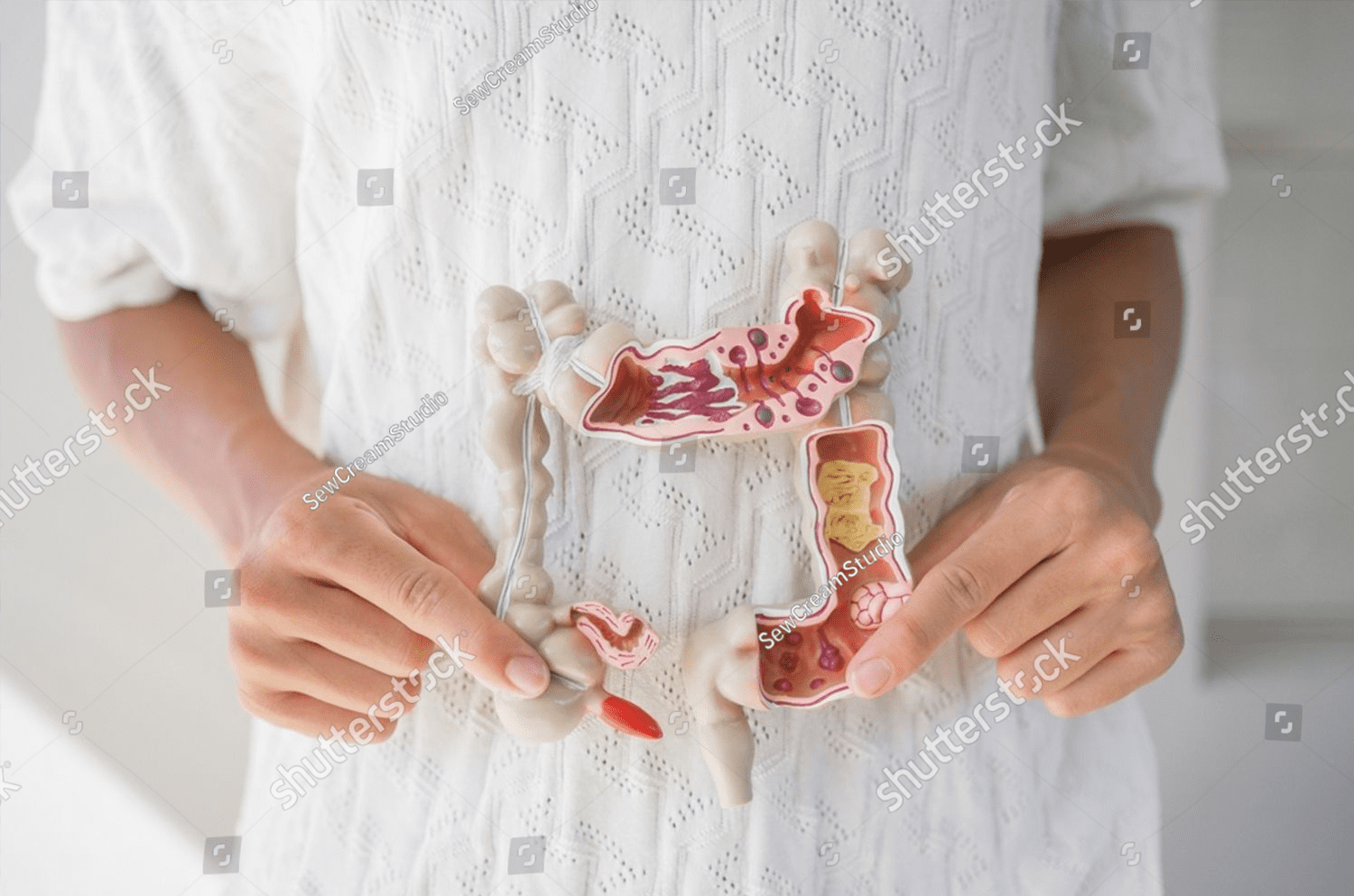
Diverticulitis occurs when small pouches called diverticula, which have formed in the colon wall, become inflamed or infected. These pouches develop over time in a condition called diverticulosis, which affects approximately half of people over age 60. While most people with diverticulosis never experience symptoms, diverticulitis develops when bacteria and waste material become trapped in these pouches, leading to inflammation and infection.
The condition most commonly affects the sigmoid colon—the S-shaped section of the colon located in the lower left abdomen—though diverticulitis can occur anywhere in the colon. Without proper treatment, diverticulitis can lead to serious complications including abscess formation, bowel perforation, peritonitis, fistula development, or intestinal obstruction.
Diverticulitis symptoms can range from mild to severe and typically develop suddenly, though some patients experience gradual onset. Common symptoms include:
Persistent pain in the lower left abdomen is the hall mark symptom of diverticulitis. The pain may be constant or cramping and typically worsens with movement or coughing. Some patients describe a tender area that hurts when touched.
Fever indicates infection and inflammation. Temperature may range from low-grade to high fever depending on severity.
Many patients experience digestive upset including nausea, vomiting, and loss of appetite.
Diverticulitis can cause constipation or diarrhea. Some patients experience alternating patterns.
Abdominal distension and increased gas production are common.
Though less common than with diverticulosis, some patients experience blood in stool.
If inflammation affects the bladder, patients may experience frequent urination, urgency, or burning.
Severe symptoms requiring emergency evaluation include intense abdominal pain, high fever, significant rectal bleeding, inability to pass gas or stool, or persistent vomiting. If you experience these symptoms, seek immediate medical attention.
Diverticulitis develops when diverticula become inflamed or infected. Several factors increase risk:
Diverticular disease is rare before age 40 but becomes increasingly common with age. The colon wall weakens over time, making diverticula formation more
likely.
Diets low in fiber and high in red meat increase risk of diverticular disease. Fiber helps soften stool and reduce pressure in the colon, while low-fiber diets lead to constipation and increased colon pressure that can contribute to diverticula formation.
Physical inactivity increases risk. Regular exercise promotes normal bowel function and may help prevent diverticular disease.
Being significantly overweight increases risk of diverticulitis and its complications.
Tobacco use increases risk of diverticulitis complications and may affect healing.
Regular use of NSAIDs (aspirin, ibuprofen, naproxen), steroids, or opioids increases risk.
Family history of diverticular disease increases risk, suggesting genetic predisposition.
Our gastroenterologists diagnose diverticulitis through:
We review your symptoms, medical history, and medications. Physical examination includes abdominal palpation to identify tender areas and assess severity.
Complete blood count (CBC) checks for elevated white blood cell count indicating infection. We also assess kidney and liver function.
CT imaging of the abdomen and pelvis is the gold standard for diagnosing diverticulitis. It reveals inflamed diverticula, abscesses, perforations, or other complications. CT helps determine severity and guides treatment decisions.
We typically defer colonoscopy until inflammation resolves (usually 6-8 weeks after acute episode) to avoid perforation risk. Once healed, colonoscopy examines the entire colon, confirms diverticular disease, and rules out other conditions like inflammatory bowel disease or colon cancer.
Diverticulitis treatment depends on severity and whether complications exist:
After recovering from acute diverticulitis, we help you prevent future episodes through:
While you cannot reverse existing diverticula, you can reduce your risk of developing diverticulitis:
Why Choose
Our physicians completed rigorous training at top medical institutions and maintain board certification through ongoing education. Dr. Nizam Meah and Dr. U. Siddiqui bring over twelve years each of specialized experience diagnosing andtreating diverticular disease.
Our facilities offer complete diagnostic services including laboratory testing and coordination with imaging centers for CT scans. Once you’ve recovered from acute diverticulitis, we perform colonoscopy at our on-site endoscopy centers to thoroughly evaluate your colon.
We recognize that each patient’s situation is unique. We develop individualized treatment plans based on your specific symptoms, severity, medical history, and lifestyle factors. Our approach balances effective treatment with quality of life considerations.
We serve patients throughout Southeast Texas with offices and endoscopy centers in Houston, Bay City, and Lake Jackson. This means you can receive expert care close to home without long drives to Houston.
When you’re experiencing diverticulitis symptoms, timely evaluation is important. We typically handle appointment requests the same day during business hours, usually within three hours.

If you’re experiencing symptoms of diverticulitis or have been diagnosed with diverticular disease and want to discuss prevention strategies, Your GI Center is here to help. Our experienced gastroenterologists provide comprehensive evaluation and treatment at three convenient Southeast Texas locations.
To schedule your appointment, call 1-888-292-0010 or contact your preferred location: