Gastroenterology Pearland, Houston, Bay City, Lake Jackson
Home Conditions Abdominal Pain

Abdominal Pain

a picture of a human body with a diagram of the human body

Conditions

Expert Abdominal Pain Diagnosis & Treatment in Houston, Bay City & Lake Jackson

Abdominal pain is one of the most common reasons people seek medical care, yet determining its cause can be complex given the many organs and structures in the abdomen. At Your GI Center, our board-certified gastroenterologists have extensive experience evaluating abdominal pain and identifying its underlying causes. We provide comprehensive diagnostic services and effective treatment at three convenient Southeast Texas locations in Houston, Bay City, and Lake Jackson. Our goal is to identify why you’re experiencing pain and develop a treatment plan that provides lasting relief.

Understanding Abdominal Pain

The abdomen contains many organs including the stomach, small intestine, colon, liver, gallbladder, pancreas, spleen, kidneys, and reproductive organs. Pain can originate from any of these structures or from the abdominal wall itself. Abdominal pain varies widely in character, location, severity, and duration, and these characteristics provide important clues about the underlying cause.

Abdominal pain can be acute (sudden onset) or chronic (lasting three months or longer). It may be constant or intermittent, sharp or dull, localized to one area or diffuse throughout the abdomen. Some abdominal pain requires urgent evaluation, while other cases benefit from systematic diagnostic evaluation to identify the cause.

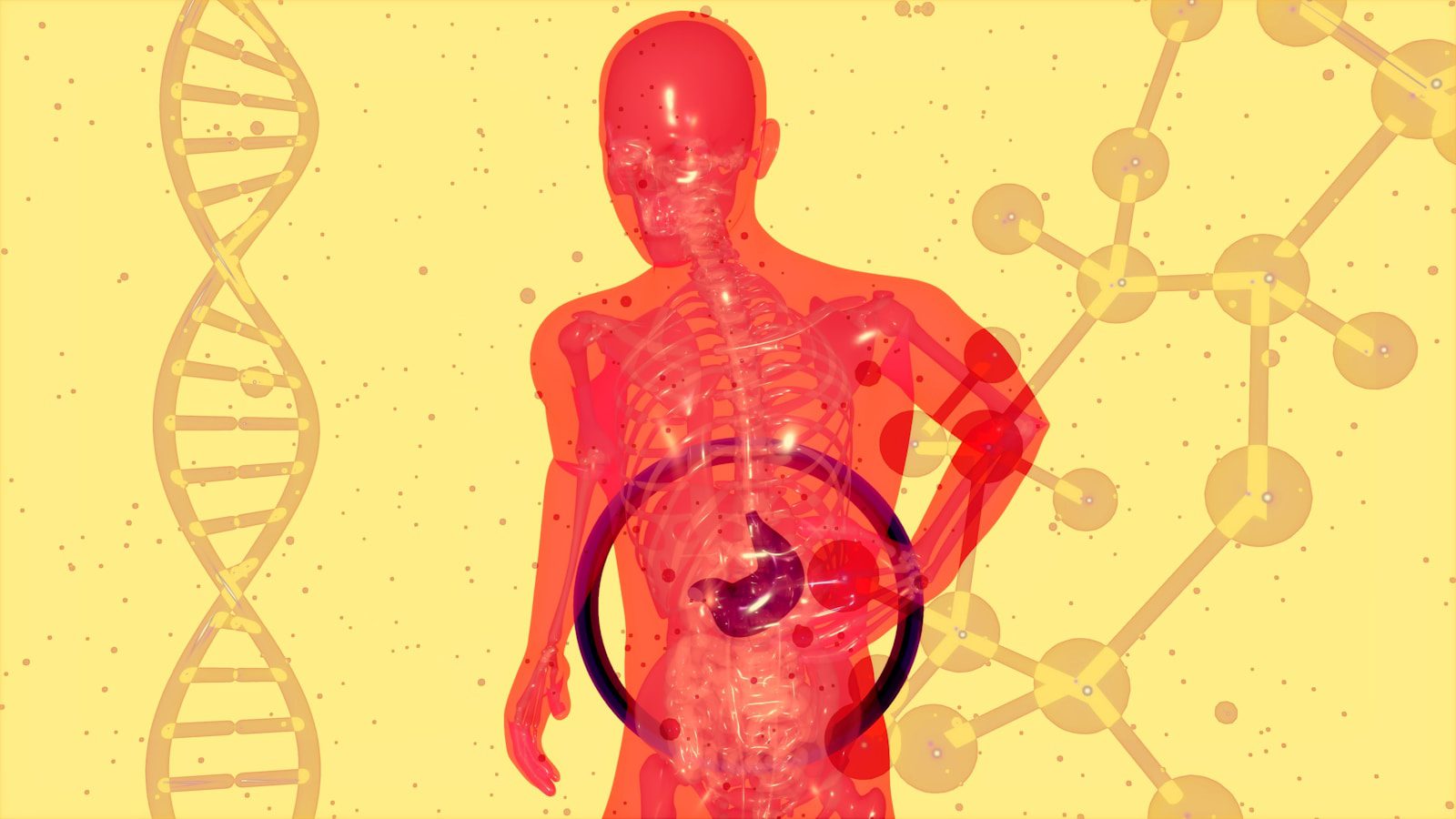
Types and Locations of Abdominal Pain

The location of abdominal pain often provides clues about its source:

Upper Abdominal Pain

Upper Right Quadrant:

May indicate gallbladder disease, liver problems, or right kidney issues

Upper Central (Epigastric):

Often related to stomach, duodenum, or pancreas. Common in acid reflux, peptic ulcers, or gastritis

Upper Left Quadrant:

May suggest stomach, spleen, pancreas, or left kidney problems

Lower Abdominal Pain

Lower Right Quadrant:

May indicate appendicitis, Crohn’s disease, or ovarian issues in women

Lower Central (Suprapubic):

Often related to bladder, uterus, or lower colon

Lower Left Quadrant:

May suggest diverticulitis, colitis, or ovarian issues in women

Central Abdominal Pain

Around the Belly Button:

May indicate early appendicitis, small bowel disorders, or vascular issues

Diffuse (Throughout Abdomen):

May suggest peritonitis, gastroenteritis, or irritable bowel syndrome

Common Gastrointestinal Causes of Abdominal Pain

Many abdominal pain cases have gastrointestinal origins:

Gastroesophageal Reflux Disease (GERD)

Stomach acid backing up into the esophagus causes burning pain in the upper abdomen and chest. Pain often worsens after meals or when lying down.

Peptic Ulcers

Open sores in the stomach or duodenum lining cause burning or gnawing pain in the upper central abdomen. Pain may improve or worsen with eating depending on ulcer location.

Gastritis

Inflammation of the stomach lining causes upper abdominal pain, often with nausea. May result from infection, medications, or excessive alcohol.

Irritable Bowel Syndrome (IBS)

This functional disorder causes cramping abdominal pain associated with changes in bowel habits. Pain typically improves with bowel movements.

Inflammatory Bowel Disease (IBD)

Crohn’s disease and ulcerative colitis cause chronic inflammation, leading to persistent or recurrent abdominal pain, often with diarrhea and bleeding.

Diverticulitis

Inflammation of diverticula (pouches in the colon wall) typically causes left lower abdominal pain, fever, and changes in bowel habits.

Constipation

Infrequent or difficult bowel movements can cause cramping, bloating, and discomfort throughout the abdomen.

Gallstones

Stones in the gallbladder or bile ducts cause severe, steady pain in the upper right abdomen, often radiating to the back or right shoulder.

Pancreatitis

Inflammation of the pancreas causes severe upper abdominal pain radiating to the back, often with nausea and vomiting.

Intestinal Obstruction

Blockage in the intestines causes severe cramping pain, bloating, inability to pass gas or stool, and vomiting.

Celiac Disease

Immune reaction to gluten damages the small intestine, causing abdominal pain, bloating, diarrhea, and malabsorption.

Food Intolerances

Lactose intolerance, fructose malabsorption, or other food sensitivities can cause cramping pain, bloating, gas, and diarrhea after consuming trigger foods.

Warning Signs Requiring Emergency Evaluation

Seek immediate emergency care if abdominal pain is accompanied by:

Comprehensive Diagnostic Evaluation

Identifying the cause of abdominal pain requires systematic evaluation:

Detailed Medical History

We discuss your pain characteristics (location, quality, timing, severity), associated symptoms, medical history, medications, surgeries, family history, diet, and lifestyle factors. Understanding your complete story often provides crucial diagnostic clues.

Physical Examination

We perform thorough abdominal examination, checking for tenderness, masses, organ enlargement, or other abnormalities. We assess the entire abdomen systematically to identify pain patterns.

Laboratory Tests

Blood tests evaluate for infection, inflammation, liver function, kidney function, pancreatic enzymes, anemia, and other abnormalities. Stool tests may check for blood, infection, or inflammation. Urine tests can identify urinary tract or kidney issues.

Imaging Studies
  • Ultrasound: Evaluates gallbladder, liver, pancreas, kidneys, and reproductive organs
  • CT Scan: Provides detailed images of all abdominal organs, identifying inflammation, masses, obstruction, or other abnormalities
  • X-rays: May show intestinal obstruction, perforation, or other issues
  • MRI: For detailed evaluation of specific organs when needed
Endoscopic Procedures
  • UpperEndoscopy (EGD):Examinesthe esophagus, stomach, and duodenum to identify ulcers, inflammation, tumors, or other abnormalities
  • Colonoscopy: Examines the entire colon to evaluate for inflammation, polyps, tumors, or other conditions
  • ERCP: Evaluates bile ducts and pancreatic ducts for stones, strictures, or tumors
  • Endoscopic Ultrasound (EUS): Provides detailed images of the pan creas, bile ducts, and surrounding structures
  • Capsule Endoscopy: For evaluating the small intestine when other tests don’t reveal the cause
Specialized Testing

Depending on suspected causes, we may recommend:- Breath tests for lactose intolerance or bacterial overgrowth – Celiac disease antibody testing – Food allergy or sensitivity testing – Gastric emptying studies – Motility studies

Treatment Approaches

The location of abdominal pain often provides clues about its source:

Medications

Dietary Modifications

Lifestyle Changes

Procedures

Surgical Referrals

When surgical intervention is needed (appendicitis, gallbladder removal, bowel
obstruction, etc.), we coordinate with experienced surgeons to ensure you receive
appropriate care.

Managing Chronic Abdominal Pain

For chronic abdominal pain, we take a comprehensive approach:

Why Choose

Your GI Center for Abdominal Pain Evaluation?

Experienced Gastroenterologists

Our board-certified physicians have evaluated thousands of patients with abdominal pain and have the expertise to identify even complex or uncommon causes.

Comprehensive Diagnostic Capabilities

We offer the full range of diagnostic tools, from basic laboratory testing through advanced endoscopic procedures, all coordinated through our practice.

Systematic Approach

We don’t simply treat symptoms—we investigate thoroughly to identify the underlying cause of your pain so we can provide targeted, effective treatment.

Patient-Centered Care

We understand that chronic abdominal pain affects your quality of life, work, and daily activities. We listen carefully to your concerns and develop treatment plans that fit your individual circumstances.

Schedule Your Abdominal Pain Evaluation

If you’re experiencing persistent or recurrent abdominal pain, don’t continue to suffer without answers. Our experienced gastroenterologists can help identify the cause and develop an effective treatment plan.

To schedule your appointment, call 1-888-292-0010 or contact your preferred location:

Houston

(979) 292-0033

12951 South Freeway, Houston, TX 77047

Bay City

(979) 292-0033

720 Avenue F North, Bay City, TX 77414

Lake Jackson

(979) 292-0033

109 Parking Way, Lake Jackson, TX
77566

During business hours, appointment requests are typically handled the same day, usually within three hours. We’re committed to helping you find relief from abdominal pain and restoring your quality of life.