
Conditions
The liver is one of the body’s largest and most vital organs, performing over 500 essential functions including filtering toxins from blood, producing proteins necessary for blood clotting, storing energy, and metabolizing medications. Liver disease encompasses a wide range of conditions that impair liver function, from fatty liver disease to viral hepatitis to cirrhosis. At Your GI Center, our board certified gastroenterologists provide comprehensive evaluation and management of liver diseases at three convenient Southeast Texas locations in Houston, Bay City, and Lake Jackson. With over 25 years of experience in hepatology and gastroenterology, we offer expert care for patients with acute and chronic liver conditions.
Liver disease affects millions of Americans and can progress silently for years before causing symptoms. Early detection and appropriate management are essential to prevent progression to cirrhosis (severe scarring), liver failure, and liver cancer. Many liver diseases are treatable or manageable when identified early, underscoring the importance of regular medical care and screening for at-risk individuals.
Non-alcoholic fatty liver disease (NAFLD) is the most common liver condition in the United States, affecting an estimated 25-30% of adults. NAFLD involves accumulation of excess fat in liver cells in people who drink little or no alcohol. The condition exists on a spectrum from simple steatosis (fat accumulation with out significant inflammation) to non-alcoholic steatohepatitis (NASH), where fat accumulation is accompanied by inflammation and liver cell damage. NASH can progress to cirrhosis and liver cancer. Risk factors for NAFLD include obesity, type 2 diabetes, high cholesterol, metabolic syndrome, and insulin resistance.
Alcoholic liver disease results from excessive alcohol consumption over time. It progresses through stages including fatty liver, alcoholic hepatitis (inflammation), and ultimately cirrhosis. The amount of alcohol and duration of consumption required to cause liver damage varies among individuals, but risk increases substantially with consumption exceeding moderate drinking guidelines (more than one drink per day for women or two for men).
Effective antiviral medications can suppress the virus and prevent progression. Hepatitis Cis primarily blood-borne and was a leading cause of chronic liver disease before the development of highly effective direct-acting antiviral medications that cure over 95% of infections. Hepatitis A and E cause acute infections but do not lead to chronic liver disease.
Autoimmune liver diseases occur when the immune system mistakenly attacks liver tissue. Autoimmune hepatitis causes inflammation and can progress to cirrhosis if untreated. Primary biliary cholangitis (PBC) involves immune mediated destruction of small bile ducts within the liver. Primary sclerosing cholangitis (PSC) causes inflammation and scarring of bile ducts and is often associated with inflammatory bowel disease.
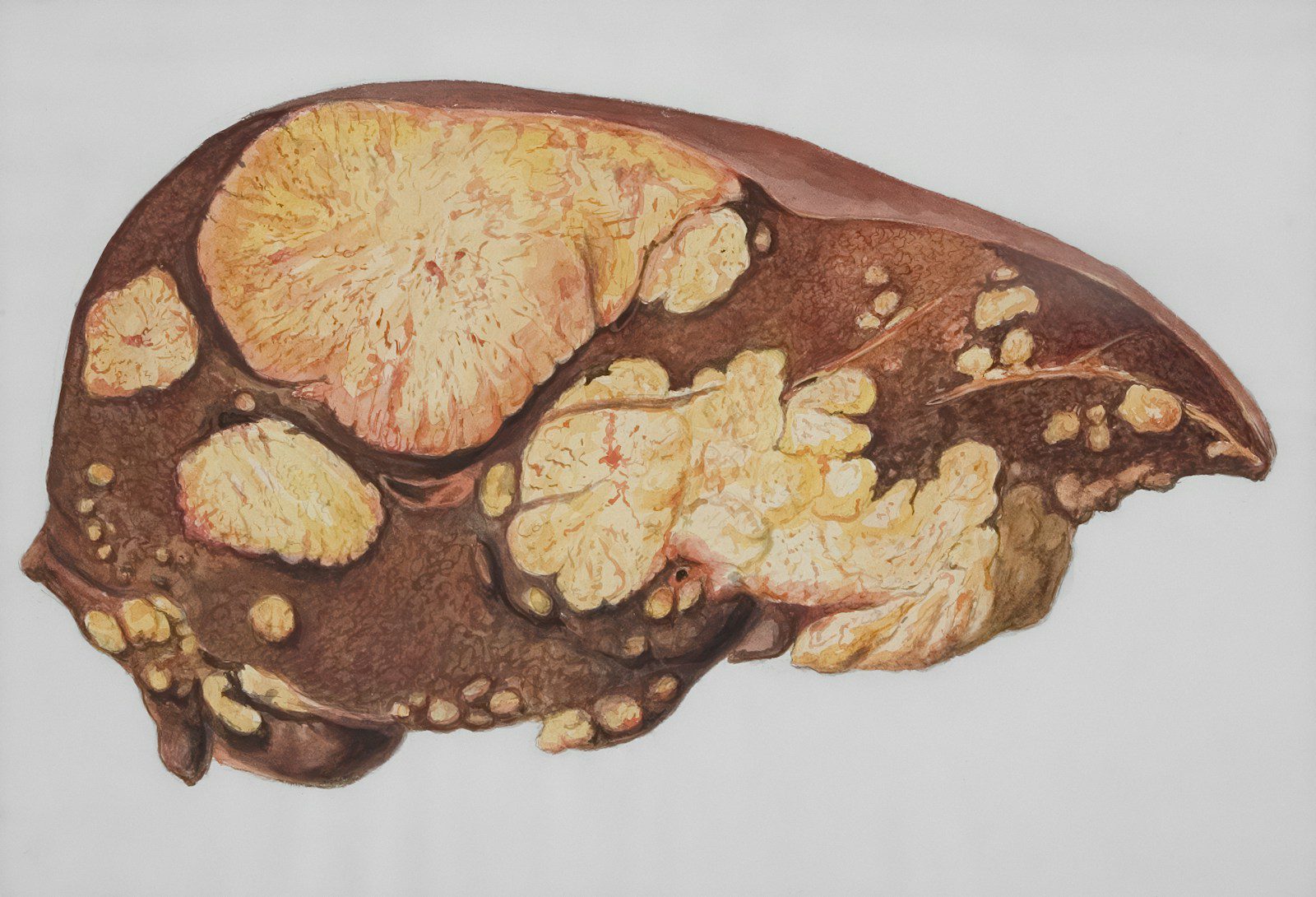
Cirrhosis represents advanced liver scarring from any cause. As scar tissue replaces healthy liver tissue, liver function progressively declines. Cirrhosis can lead to serious complications including portal hypertension (increased pressure in the portal vein), ascites (fluid accumulation in the abdomen), hepatic encephalopathy (confusion due to toxin buildup), variceal bleeding (bleeding from enlarged veins in the esophagus or stomach), and hepatocellular carcinoma (liver cancer).
Hemochromatosis involves excessive iron accumulation in the liver and other organs, potentially causing cirrhosis, diabetes, heart problems, and joint disease. Wilson’s disease is a genetic disorder causing copper accumulation in the liver and brain. Both conditions require early diagnosis and treatment to prevent serious complications.
Early liver disease often causes no symptoms, with abnormalities detected only through blood tests. As liver disease progresses, symptoms may include fatigue and weakness, loss of appetite and weight loss, nausea, abdominal pain or discomfort in the upper right abdomen, and jaundice (yellowing of skin and eyes) indicating impaired bile processing.
Advanced liver disease and cirrhosis cause additional symptoms including easy bruising and bleeding due to decreased clotting factor production, swelling in legs and ankles (edema) and abdomen (ascites) from fluid retention, itching from bile salt accumulation, confusion or altered mental status (hepatic encephalopathy) from toxin buildup, and spider angiomas (small, spider-like blood vessels visible on the skin).
At Your GI Center’s Houston, Bay City, and Lake Jackson locations, liver disease evaluation begins with comprehensive medical history exploring alcohol use, medication and supplement use, risk factors for viral hepatitis, family history of liver disease, and symptoms. Physical examination assesses for signs of liver disease including jaundice, abdominal tenderness or enlargement, ascites, and spider angiomas.
Laboratory testing is essential for liver disease diagnosis and monitoring. Liver function tests (LFTs) including ALT, AST, alkaline phosphatase, and bilirubin assess liver inflammation and function. Hepatitis serologies test for hepatitis A, B, and C viruses. Complete blood count may reveal anemia or low platelet count suggesting advanced liver disease. Coagulation studies (PT/INR) assess the liver’s ability to produce clotting factors. Additional tests may include iron studies, ceruloplasmin (for Wilson’s disease), autoimmune markers, and alpha fetoprotein (a tumor marker for liver cancer).
Imaging studies visualize liver structure and detect abnormalities. Ultrasound is often the initial imaging test, assessing liver size, texture, and presence of masses or fluid. CT and MRI provide more detailed images and can characterize liver lesions. FibroScan (transient elastography) is a specialized ultrasound technique that measures liver stiffness, providing a non-invasive assessment of fibrosis (scarring).
Liver biopsy, where a small tissue sample is obtained for microscopic examination, remains the gold standard for assessing inflammation and fibrosis severity,though it is used less frequently now due to advances in non-invasive testing.
Liver disease treatment is highly individualized based on the specific condition, severity, and underlying causes.
For non-alcoholic fatty liver disease, lifestyle modifications are the cornerstone of treatment. Weight loss of 7-10% of body weight can significantly reduce liver fat and inflammation. Regular exercise improves insulin sensitivity and liver health independent of weight loss. Dietary changes emphasizing whole foods, limiting added sugars and refined carbohydrates, and following a Mediterranean-style diet are beneficial. Management of associated conditions including diabetes, high cholesterol, and hypertension is essential. While no medications are specifically approved for NAFLD, vitamin E and certain diabetes medications show promise in clinical trials.
Alcoholic liver disease requires complete alcohol abstinence, which can allow significant liver recovery if cirrhosis has not developed. Nutritional support addresses deficiencies common in alcohol use disorder. Treatment of alcohol use disorder through counseling, support groups, and medications improves outcomes.
Viral hepatitis treatment has advanced dramatically. Hepatitis B is managed with antiviral medications like tenofovir or entecavir that suppress viral replication, prevent progression, and reduce cancer risk. Hepatitis C is cured with 8-12 weeks of direct-acting antiviral medications, which are highly effective and well-tolerated.
Autoimmune liver diseases are treated with immunosuppressive medications. Autoimmune hepatitis typically responds to corticosteroids and azathioprine. Primary biliary cholangitis is managed with ursodeoxycholic acid, which slows disease progression.
Cirrhosis management focuses on preventing and treating complications. Portal hypertension is managed with beta-blockers to reduce pressure and prevent variceal bleeding. Endoscopic surveillance and treatment of esophageal varices prevent life-threatening bleeding. Ascites is managed with dietary sodium restriction and diuretic medications. Hepatic encephalopathy is treated with lactulose and rifaximin to reduce toxin-producing bacteria. Regular screening for liver cancer with ultrasound and alpha-fetoprotein every six months is essential in cirrhosis patients.
For end-stage liver disease, liver transplantation may be the only life-saving option. Our gastroenterologists work closely with transplant centers to evaluate and refer appropriate candidates.
Why Choose
Managing liver disease requires expertise in hepatology, commitment to long term patient relationships, and coordination of complex medical care. At Your GI Center, our board-certified gastroenterologists have extensive experience diagnosing and managing the full spectrum of liver diseases.
We provide comprehensive liver disease care including thorough diagnostic evaluation, evidence-based treatment plans, regular monitoring to assess disease progression and treatment response, and coordination with specialists including hepatologists, transplant centers, and addiction medicine when needed.
With offices in Houston, Bay City, and Lake Jackson, we provide convenient access to specialized liver disease care throughout Southeast Texas. We accept most major insurance plans and work to make care accessible to all who need it.

If you have been diagnosed with liver disease, have abnormal liver function tests, or have risk factors for liver disease, contact Your GI Center today to schedule a consultation with one of our board-certified gastroenterologists.
To schedule your appointment, call 1-888-292-0010 or contact your preferred location: