
Services
Upper endoscopy, also known as esophagogastroduodenoscopy (EGD), is a vital diagnostic and therapeutic procedure that allows our board-certified gastroenterologists at Your GI Center to examine the upper portion of your digestive system. This minimally invasive procedure provides direct visualization of the esophagus, stomach, and duodenum (the first part of the small intestine), enabling accurate diagnosis and immediate treatment of various upper gastrointestinal conditions.
At Your GI Center, we perform upper endoscopy procedures at our Houston, Bay City, and Lake Jackson locations, serving patients throughout Southeast Texas. Our experienced gastroenterologists, Dr. Nizam Meah and Dr. Siddiqui, have performed thousands of upper endoscopy procedures, utilizing state-of-the-art equipment and advanced techniques to ensure the most accurate diagnosis and effective treatment for our patients.
Info
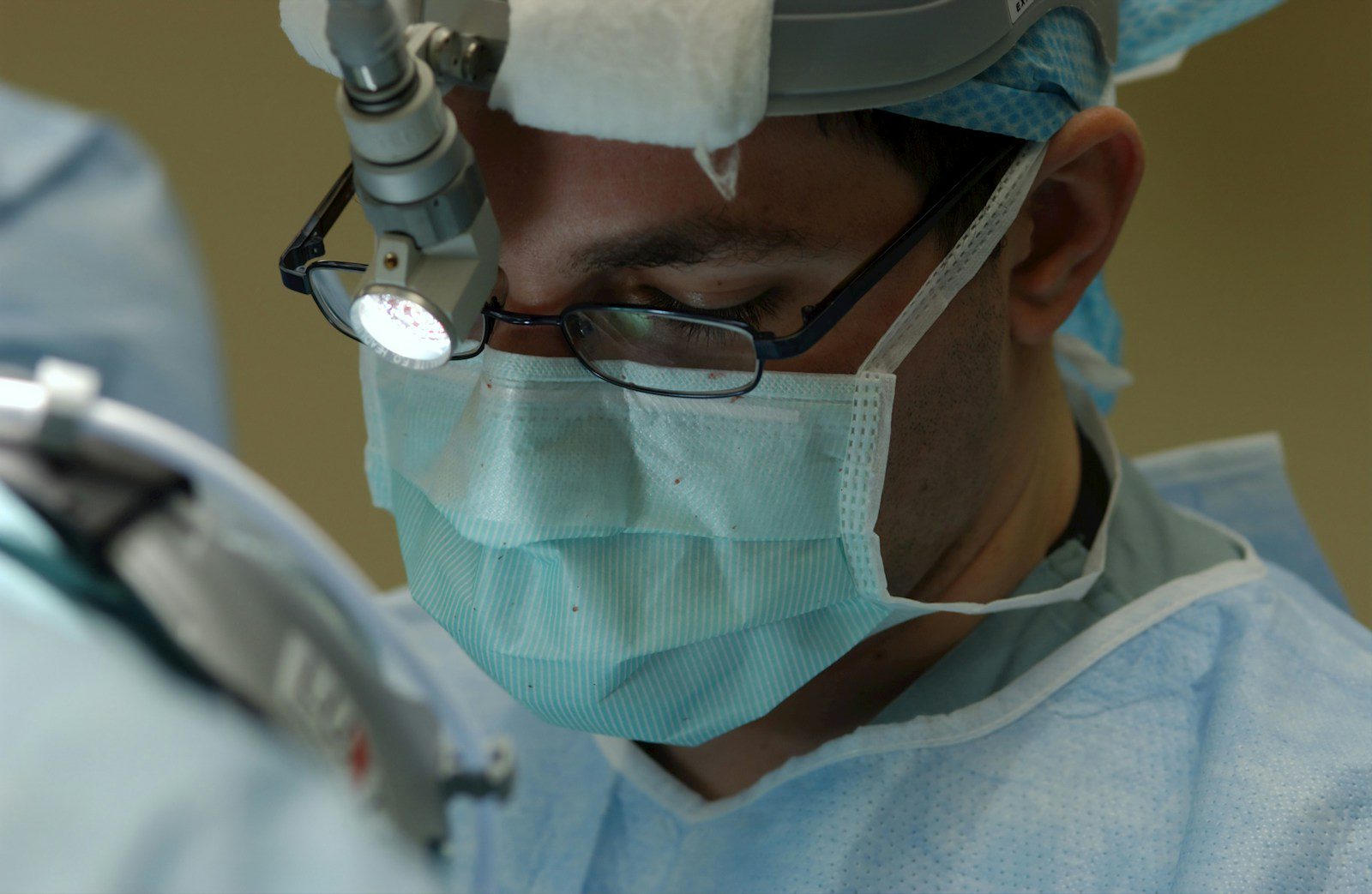
Upper endoscopy is a procedure that uses a thin, flexible tube called an endoscope to examine the lining of the upper digestive tract. The endoscope is equipped with a high-resolution camera and light source that transmits real-time images to a monitor, allowing your gastroenterologist to carefully inspect the esophagus, stomach, and duodenum for any abnormalities, inflammation, or disease.
The endoscope also contains channels for specialized instruments that enable your doctor to perform various therapeutic interventions during the same procedure. This may include taking tissue biopsies for laboratory analysis, removing polyps or foreign objects, treating bleeding ulcers, dilating narrowed areas, or performing other therapeutic interventions as needed.
Upper endoscopy is essential for evaluating patients with persistent heartburn, acid reflux, or GERD symptoms that do not respond adequately to medication. The procedure allows your gastroenterologist to assess the severity of esophageal inflammation (esophagitis) and check for complications such as Barrett’s esophagus, a condition that increases the risk of esophageal cancer.
Upper endoscopy is the most accurate method for diagnosing stomach and duodenal ulcers. The procedure can identify active ulcers, determine their size and severity, and check for the presence of Helicobacter pylori bacteria, which is a common cause of ulcers. If bleeding ulcers are found, therapeutic interventions can be performed immediately to stop the bleeding.
When patients experience difficulty swallowing, upper endoscopy can identify the underlying cause, such as esophageal strictures, rings, webs, or tumors. Therapeutic dilation can often be performed during the same procedure to improve swallowing function.
Upper endoscopy is crucial for diagnosing and treating sources of upper GI bleeding, including bleeding ulcers, esophageal varices, Mallory-Weiss tears, and other vascular abnormalities. Emergency therapeutic interventions can be performed to control active bleeding.
Patients with long-standing GERD may develop Barrett’s esophagus, a condition where the normal esophageal lining is replaced with tissue similar to the intestinal lining.
Upper endoscopy with biopsy is necessary for diagnosis and ongoing surveillance to monitor for precancerous changes.
Upper endoscopy requires fasting for at least eight hours before the procedure to ensure your stomach is empty for optimal visualization. You should not eat or drink anything, including water, after midnight the night before your morning procedure or for eight hours before an afternoon procedure. Our staff will provide detailed preparation instructions and answer any questions you may have.
Upper endoscopy is typically performed as an outpatient procedure with conscious sedation to ensure your comfort. The procedure usually takes fifteen to thirty minutes, depending on the complexity of the examination and any therapeutic interventions that may be necessary. Your gastroenterologist will gently insert the endoscope through your mouth and guide it through the esophagus, stomach, and duodenum while carefully examining the tissue lining.
At Your GI Center, we utilize high-definition endoscopes with advanced imaging capabilities to provide the most detailed visualization possible. This technology allows for better detection of subtle abnormalities and more precise therapeutic interventions. Our endoscopy centers in Houston and Lake Jackson are equipped with the latest equipment to ensure optimal patient care and procedural outcomes.
Locations
12951 South Freeway Houston
TX 77047
(713) 436 8171
State-of-the-art endoscopy center with advanced upper endoscopy capabilities serving the greater Houston area.
720 Avenue F North Bay City
TX 77414
(979) 292-0033
Convenient location serving Matagorda County with comprehensive upper endoscopy services.
109 Parking Way
Lake Jackson, TX 77566
(979) 292-0033
Full-service endoscopy center serving the Brazosport area with expert upper endoscopy procedures.

After your upper endoscopy, you will recover in our comfortable observation area while the sedation wears off. Most patients are ready to go home within one to two hours after the procedure. You will need someone to drive you home, as the effects of sedation can impair your judgment and reflexes for several hours.
Your gastroenterologist will discuss the findings of your upper endoscopy with you before you leave. If biopsies were taken, results are typically available within a few days, and our staff will contact you with the results and any necessary follow-up recommendations. Many patients can resume their normal diet and activities the day after the procedure, unless specific restrictions are recommended based on your individual situation.
Why Choose

We are available 24/7. Call Now for Immediate Assistance!
If you’re experiencing persistent upper digestive symptoms, don’t wait for an accurate diagnosis.
Call 1-888-292-0010 to schedule your consultation and upper endoscopy procedure.