
"Avoid spicy foods, lose some weight, and don't eat so late." If you've seen a doctor about acid reflux, you've likely heard that advice. It's not wrong — but for many people with GERD, it's also not enough. Managing it effectively requires a layered approach — and understanding your real options is the first step.
Start With What You Can Control
Lifestyle modifications genuinely help. Not for everyone, and not to the point of resolving GERD entirely in most cases — but they reduce symptom frequency and can reduce the amount of medication needed. These adjustments are worth making with consistency, not just occasionally.

Body weight matters significantly. Excess abdominal weight increases pressure on the stomach and pushes acid upward. Even losing 10 to 15 pounds can produce a noticeable reduction in reflux symptoms.
Meal size and timing. Large meals distend the stomach and increase pressure on the lower esophageal sphincter. Eating within two to three hours of lying down is one of the clearest GERD triggers.
Elevating the head of your bed by six to eight inches — tilting the whole frame, not stacking pillows — meaningfully reduces nighttime reflux.
Dietary triggers vary by person, but consistently problematic foods include fatty and fried foods, chocolate, mint, caffeine, alcohol, carbonated beverages, citrus, and tomato-based products. Tracking your diet and symptoms for two to three weeks often reveals your personal patterns.
"Smoking directly weakens the lower esophageal sphincter — the mechanism responsible for keeping acid in the stomach. If you smoke and have GERD, stopping is one of the most direct, highest-impact changes you can make."
Medications: What They Do and What They Don't
Understanding how each medication tier works — and what its limits are — helps you use them correctly and know when it's time for a more formal evaluation with a GERD specialist in Houston.
Neutralize acid that's already in your esophagus. Work quickly but don't prevent reflux from occurring. Useful for occasional heartburn — not a long-term GERD solution.
Reduce the amount of acid your stomach produces. Better than antacids for mild to moderate GERD, but have limitations in managing more significant disease.
The standard medical treatment for GERD. Block acid-producing pumps in the stomach lining. Most effective when taken 30–60 minutes before eating — many patients take them at the wrong time and see incomplete results.
PPIs manage GERD by reducing acid exposure — they don't fix the weakened lower esophageal sphincter causing reflux. If you've been on a PPI for years without re-evaluation, that conversation is worth having with your gastroenterologist.
When Endoscopy Is the Right Next Step
An upper endoscopy (EGD) is typically recommended when GERD symptoms are persistent, severe, or when there are signs of possible complications. During the procedure, your gastroenterologist can directly visualize the esophagus and identify whether damage has occurred — esophagitis, erosions, or Barrett's esophagus.
An upper endoscopy is also useful for ruling out other conditions that can mimic GERD — eosinophilic esophagitis, peptic ulcer disease, and motility disorders — so your treatment is based on an accurate diagnosis rather than assumed reflux.
Consider scheduling an evaluation if any of these apply:
- Symptoms that don't adequately respond to PPI therapy
- Difficulty swallowing or food getting stuck in the throat
- Unexplained weight loss alongside reflux symptoms
- Symptoms present for five or more years, particularly in men over 50
- A family history of GERD combined with your own longstanding symptoms

When Medication Isn't Enough: Procedural Options
A meaningful percentage of GERD patients don't achieve adequate symptom control with medications, or they prefer not to take them indefinitely. For these patients, procedural and surgical options deserve serious consideration.
Surgical fundoplication reinforces the lower esophageal sphincter by wrapping the upper portion of the stomach around the base of the esophagus. It has a strong track record for appropriate candidates and can significantly reduce or eliminate the need for long-term medication.
Minimally invasive options such as the LINX device and the Stretta procedure are available in specific situations. Your gastroenterologist will discuss your clinical picture honestly — including whether your symptoms, anatomy, and overall health make you a reasonable candidate.

The Most Important Piece: Getting the Right Diagnosis First
Several other conditions produce very similar symptoms to GERD. Eosinophilic esophagitis — increasingly common — responds to entirely different treatment. Peptic ulcer disease, hiatal hernia, and certain motility disorders can all produce reflux-like symptoms.
Treating assumed GERD without confirming the diagnosis means potentially treating the wrong condition. If your symptoms have been persistent, don't fully respond to medication, or have changed in character over time, a formal evaluation at Your GI Center in South Houston is the right move. Have more questions first? Visit our FAQ or read more on our blog.
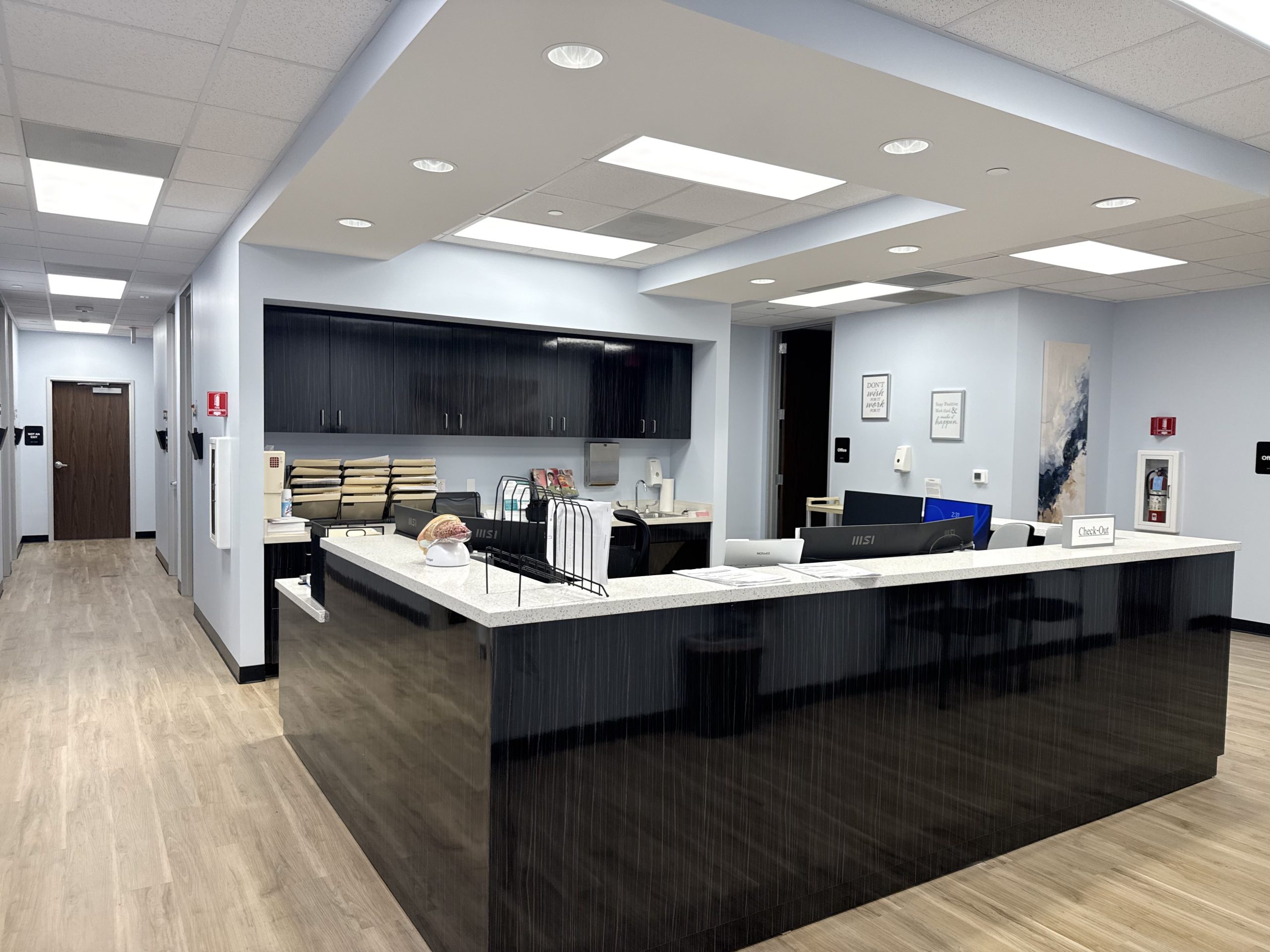
Get a Real GERD Evaluation at Your GI Center
Our gastroenterologists, Dr. Nizam Meah and Dr. U. Siddiqui, serve patients throughout South Houston, Pearland, Friendswood, and Lake Jackson. If reflux has been your reality for too long, let's find out exactly what you're dealing with — and build a plan that actually works. Appointment requests are typically returned within three hours during business hours.