
Constipation is the most common GI complaint in the United States, accounting for approximately 2.5 million doctor visits annually and affecting an estimated 15 percent of the population at any given time. Yet it’s one of the conditions people are most likely to manage on their own, indefinitely, without ever getting a clear explanation of why it’s happening.
For adults over 45, chronic constipation deserves more than a reflex reach for a laxative. Depending on the cause — and there are several distinct ones — the right treatment varies considerably. And in some cases, constipation that’s new, worsening, or accompanied by certain other symptoms is worth evaluating promptly.
What “Chronic” Constipation Actually Means
The clinical definition involves having fewer than three bowel movements per week, or the consistent presence for at least three months of: hard or lumpy stools, significant straining, a sense of incomplete evacuation, a sensation of blockage, or the need to use manual maneuvers to assist defecation. The benchmark isn’t just frequency — it’s whether the pattern is comfortable and whether it represents a change from your personal normal.
Why Constipation Gets More Common After 45
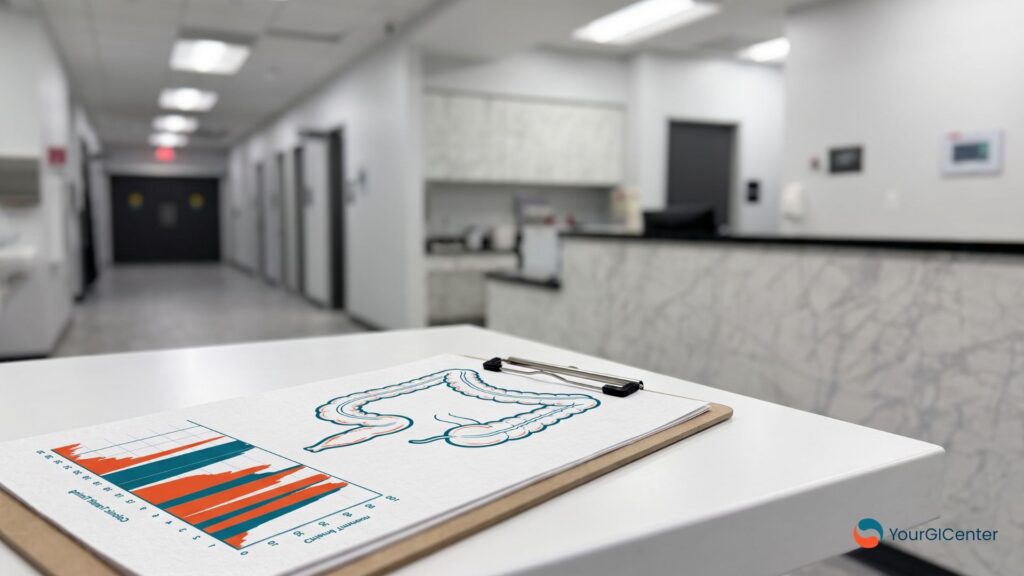
Multiple factors converge: reduced colonic motility with age (the colon’s contractile activity tends to slow), medications (opioids, iron supplements, calcium channel blockers, certain antidepressants, antacids), reduced physical activity, inadequate dietary fiber (the average American adult consumes around 15 grams daily vs. the recommended 25–38 grams), dehydration, pelvic floor dysfunction (paradoxical contraction during defecation), hypothyroidism (slows metabolic activity throughout the body), and diabetes (autonomic neuropathy affecting gut motility).
When Constipation Needs Prompt Evaluation
New or worsening constipation in an adult over 45 without an obvious explanation is worth investigating — new onset constipation can be associated with colorectal cancer, which can cause narrowing of the colon.
A significant change in stool caliber (notably narrower stools than usual) can suggest a structural change in the colon. Constipation accompanied by rectal bleeding, unexplained weight loss, fever, or significant abdominal pain requires prompt evaluation. Constipation that hasn’t responded to consistent dietary modification and appropriate laxatives over four to six weeks also warrants evaluation.
What Actually Helps — and What’s Being Overused
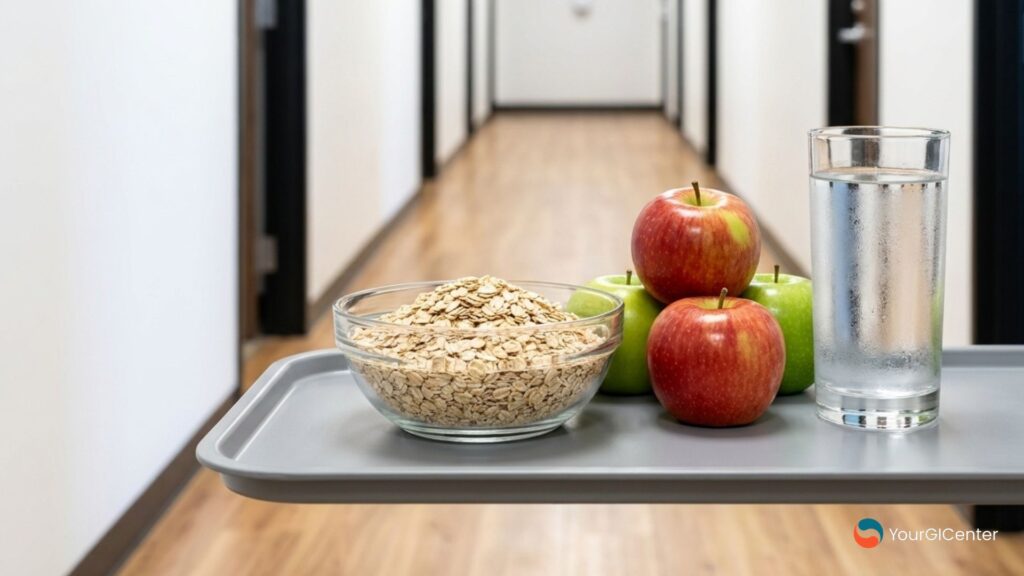
Dietary fiber is the foundation — increase gradually to avoid gas and bloating. Adequate hydration (six to eight glasses of water daily) is essential for fiber to work. Regular physical activity (walking 30 minutes daily has a measurable effect on colonic transit).
Osmotic laxatives (polyethylene glycol/MiraLax, lactulose) draw water into the stool and are safe for regular use without the dependency concerns associated with stimulant laxatives. Stimulant laxatives (senna, bisacodyl) work well for short-term or occasional use.
Pelvic floor physical therapy is underutilized and highly effective for patients with defecatory dysfunction (pelvic floor dyssynergia) — when stool feels “stuck” despite the urge to go. Prescription medications (linaclotide/Linzess, lubiprostone/Amitiza, plecanatide/Trulance, prucalopride/Motegrity) are FDA-approved options when lifestyle modifications and OTC laxatives have been insufficient.
The GI Evaluation for Chronic Constipation
Evaluation at Your GI Center starts with a thorough history: onset, character of symptoms, medication review, family history of colon cancer, dietary habits, and associated symptoms. Testing may include blood work (thyroid function, metabolic factors, blood count), colonoscopy (to rule out structural causes, particularly in adults over 45 who haven’t been recently screened), and in some cases, specialized transit studies or anorectal manometry to evaluate colonic motility and pelvic floor function.
The goal is not just relieving constipation — it’s understanding why it’s happening, so treatment addresses the actual cause.
Call 1-888-292-0010 — South Houston | Lake Jackson | Bay City